Art is not what you see, but what you make others see. – VS Sewing Machine
The Process Control in Next-Generation Sewing Machines: A Project Overview Helder Carvalho1, Ana Rocha1, João L.Monteiro2 1Dep.TextileEngineering, 2Dep.Industrial Electronics, University of Minho, Guimarães, Portugal SYNOPSIS The sewing machine created in the XIX century has roughly remained unchanged in its basic technologies. Although a great range of mechanical and electronic technologies has boosted its development enormously, the process of sewing itself, however, although perfected in many aspects, has remained uncontrolled.Many of the phenomena occurring at high-speed sewing (up to 10000 stitches per minute) are still not properly understood. https://ushaembroiderysewingmachine.blogspot.com/2021/02/sewing-machine-showroom-in-velachery-vs.html
This project is creating a deeper insight into the sewing process, identifying and describing the variables that can be monitored and/or controlled in a way that ensures a better control of this production process. Some monitoring and control algorithms are already under test. Concurrently the project develops software support tools to allow the up-front engineering of the process, resulting in control parameters to be downloaded to the machine controllers. The software would also serve as a support tool for the textile manufacturer, to tune and improve materials’ properties and define the relationship between materials and optimum sewing conditions. https://vsembroiderysewingmachine.weebly.com/blog/sewing-machine-showroom-in-nanganallur-vs-sewing-machine

In addition to general cleaning, three areas need special attention: the handwheel bearing and the clutch assem-bly, the needle bar and presser foot, and the hook and bobbin area assemblies. When the handwheel assembly gets gummy and dirty, it must be cleaned for the clutch to work properly. The clutch disengages the needle bar when winding a bobbin.Some newer sewing machines refill the bobbin in its regular position and a clutch is not necessary. In such machines, it is often not necessary to remove the hand-wheel to clean this area. https://vsembroiderysewingmachine.weebly.com/blog/sewing-machine-showroom-in-pallikaranai-vs-sewing-machine
Cotton Thread is readily available in wide range of colors and is suitable for light to medium weight cotton, rayon and linen fabrics. Avoid using glazed or waxed quilting threads on the sewing machine as the finish will wear off and can cause serious tension problems. Cotton thread is without stretch and is usually mercerized, a finishing process that gives strength makes it smooth, lustrous, gives better affinity for dye and colorfastness. https://vsembroiderysewingmachine.weebly.com/blog/sewing-machine-showroom-in-adyar-vs-sewing-machine
Polyester Thread is made from 100% polyester and is suitable for most of the sewing process. It provides strength and elasticity for sewing on fabrics made of synthetic, natural or blended fibers. The all-purpose polyester thread is great for knit, stretch and permanent press fabrics because of its stretch and recovery and its non-shrinkage. Most polyester threads have wax or silicone finish helping them slip through the fabric with a minimum of friction. https://www.plurk.com/p/o8lmic
Get location for Madipakkam
Get location for perambur
Get location for Mylapore


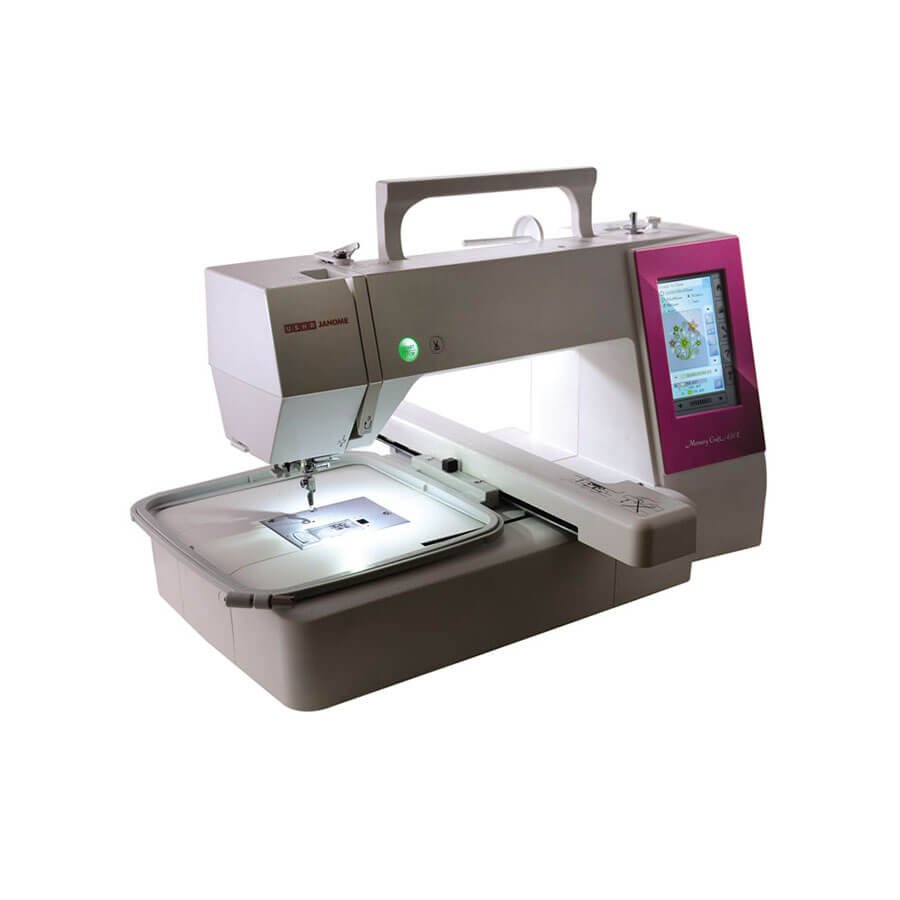


 VS Sewing Machines